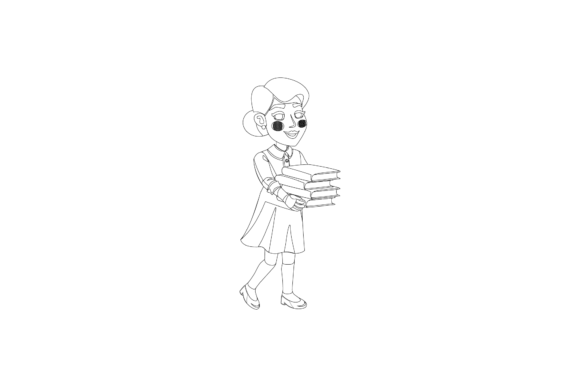
Teacher Education Learning Vectors
A Design for the Classroom, Not Just the Screen
As a designer who’s stitched countless projects from custom apparel to holiday gifts, I approach each embroidery file with the same level of scrutiny I’d give a finished product. Teacher Education Learning Vectors immediately caught my eye—not just for its subject matter, but for its clean, intentional design. It feels like something that could live on a classroom wall or stitch into a personalized gift. But does it hold up under real-world conditions? Let’s break it down.
The First Impression: Clarity and Purpose
At first glance, Teacher Education Learning Vectors exudes a calm, educational vibe. The shapes are simple yet expressive, and the layout is well-organized. It doesn’t try to be overly complex, which is a relief. This makes it ideal for projects where clarity and readability are key—like embroidered patches, tote bags, or baby clothes. The visual personality leans toward professional and academic, making it a strong fit for educational branding or boutique products targeting schools and educators.
Real-Life Use Cases: Where Does It Fit?
Teacher Education Learning Vectors isn’t just a digital asset—it’s a potential finished product. Let’s imagine a scenario: you’re preparing a custom embroidered tote bag for a teacher’s appreciation event. The design needs to be clear, readable, and visually appealing from a distance. In this case, the vectors work well. They’re detailed enough to convey meaning without being overwhelming. They also translate nicely into applique designs or satin stitch embroidery, depending on how you want to present them.
On a sweatshirt or cap, the design holds up surprisingly well. It doesn’t get lost in the fabric texture, and the lines remain sharp even when viewed up close. For smaller items like embroidered patches or apron corners, the simplicity of the design becomes an advantage. It avoids clutter and keeps the focus on the message.
Considerations for Real Projects
However, there are some practical considerations. When working with textured fabrics, especially those with a rough surface like denim or canvas, the design might lose some definition. Similarly, dark fabrics can make the colors less vibrant unless you use high-contrast thread. Testing on scrap fabric before committing to a final product is always a good idea.
Another thing to watch for is stitch density. While the design itself is clean, the complexity of the vectors means that areas with dense stitching may require careful handling. Using the right stabilizer is essential to prevent puckering or distortion. Also, if you're planning to sell this as a digital embroidery file, make sure you’ve confirmed the licensing terms and that the file formats (AI, EPS, SVG, JPG, PNG) are compatible with your embroidery machine.
Design Quality and Visual Appeal
Teacher Education Learning Vectors has a strong visual appeal, especially when used in light-colored fabrics. The clean lines and minimalistic style make it versatile enough for both personal and commercial use. It’s not just about what the design looks like—it’s about how it interacts with the fabric and the viewer. A well-executed embroidery project should feel intentional and cohesive, and this design supports that.
From a customer perspective, the design carries a sense of professionalism and care. It’s the kind of detail that makes a handmade product feel more valuable. Whether it’s a personalized gift for a teacher or a boutique item for a craft fair, the design adds a layer of thoughtfulness that resonates with buyers.
Practical Designer Notes
- Test on Scrap Fabric: Always test the design on a piece of fabric similar to what you’ll be using for the final project.
- Check Thread Color Contrast: Ensure the chosen thread color provides sufficient contrast against the fabric background.
- Review Stitch Density: Look for any areas that might require extra stabilizing or adjustments to stitch settings.
- Confirm Hoop Size: Make sure the design fits within your hoop size to avoid distortion or stretching.
- Inspect Small Details: Pay attention to tiny lettering or intricate corners that may not show up clearly during the initial preview.
- Test in Black and White Mockups: This helps identify any issues with contrast or legibility.
- Use Proper Stabilizer: Especially for stretchy or thin fabrics, a quality stabilizer can make all the difference.
- Compare Light and Dark Backgrounds: This ensures the design works across different fabric types and color schemes.
- Confirm Licensing Terms: If you plan to sell finished items or digital products, double-check the license agreement.
Conclusion: A Versatile Design for Practical Use
Teacher Education Learning Vectors is a solid choice for designers looking for a clean, purposeful design that can adapt to various embroidery projects. It’s not perfect for every situation, but when used correctly, it delivers a professional result that aligns with its intended theme. Whether you’re creating a custom tote bag, a patch for a teacher’s gift, or a branded item for your craft business, this design offers a reliable foundation.
Remember, the key to success with any embroidery design lies in understanding its strengths and limitations. With proper preparation and attention to detail, Teacher Education Learning Vectors can become a valuable asset in your creative toolkit.